



Updated: 2026-08-13

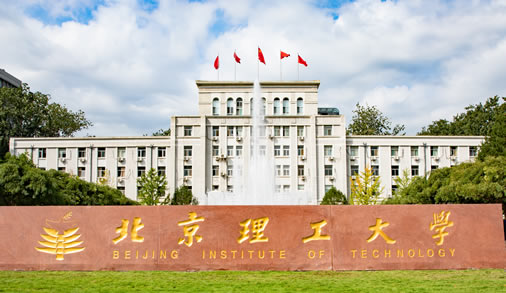
A research team led by Professor Zhang Ying from the Beijing Institute of Technology (BIT) has made significant advancements in understanding the microbial dynamics aboard the Chinese Space Station.
Their findings were recently published in the prestigious journal Microbiome, under the title Longitudinal Analysis of Stowaway Microorganisms Aboard Modules and Cargo Spacecraft of the Chinese Space Station.
This study is the first to comprehensively analyze the long-term evolution of microorganisms originating from the station's modules and cargo.
The space station, as a completely enclosed ecosystem, presents unique challenges for maintaining astronaut health and equipment safety due to microbial presence. Microorganisms within the station primarily originate from three sources: the station's own modules, incoming cargo, and the astronauts themselves. Understanding these sources is crucial for developing effective strategies to control microbial contamination in space.
Microbes from the station's modules are remnants from the construction and assembly phases, which enter orbit with the spacecraft. Despite pre-launch sterilization efforts, some microbes may still hitch a ride into space. Cargo-related microbes are introduced through supply ships, materials, and experimental samples, while astronaut-associated microbes are brought in by the crew.
Previous studies on the International Space Station have shown that the microbial communities on station surfaces change significantly over time, influenced heavily by the crew's microbiome. However, there has been a lack of research on the potential ground sources of module and cargo microbes and their dynamic changes in orbit.
Professor Zhang's team conducted a systematic analysis of 165 microbial samples collected from 2016 to 2024. These samples covered five core environments: ground assembly, cargo loading, manned simulation modules, experimental modules, and the operational space station. Their findings revealed the types, abundance, and evolution of module and cargo microbes within the station. The study showed that module-origin microbes initially accounted for 14.02 percent during the station's construction but decreased over time. In contrast, cargo-origin microbes could constitute up to 36.89 percent, indicating that cargo is a primary route for microbial introduction.
Interestingly, the few module or cargo microbes that successfully entered and survived within the station exhibited distinct characteristics compared to common ground microbes, suggesting that the unique environment of the space station favors specific microbial groups.
This research quantitatively reveals the contributions and dynamic changes of module and cargo microbes to the space station's microbial community, addressing a gap in previous studies that primarily focused on astronaut-derived microbes. The findings highlight the importance of stringent microbial control on cargo and packaging materials to reduce contamination risks. This is crucial for ensuring astronaut health and extending the operational lifespan of the Chinese Space Station.

-
Zhongguancun Campus:
No 5 Zhongguancun South Street, Haidian District, Beijing
-
Liangxiang Campus:
No 8 and 9 Yards, Liangxiang East Road, Fangshan District, Beijing
-
Xishan Campus:
No 16 Lengquan East Road, Haidian District, Beijing