



Updated: 2026-02-06
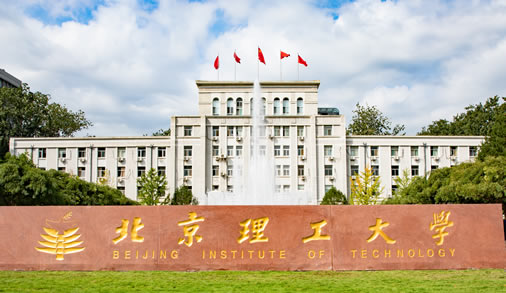
In January 2026, a research team led by Professor Lu Zhaolin from the School of Design and Art at the Beijing Institute of Technology (BIT) published a pioneering study in the prestigious journal Computers & Education.
As the application of generative artificial intelligence (AI) in education becomes increasingly prevalent, the importance of fostering creative thinking skills has grown. While previous research has shown that generative AI can enhance learners' information acquisition and content quality, the cognitive and emotional responses of learners remain largely unexplored.
Addressing this gap, the BIT research team conducted a study titled Generative AI: A Double-Edged Sword for Creative Thinking Learning — Evidence from Facial Expressions and fNIRS. The paper, published in a top-tier journal with an impact factor of 13, explores the effects of generative AI tools on learners' cognition, emotions, and brain activity during different stages of creative thinking. The study employed functional near-infrared spectroscopy (fNIRS) and facial expression recognition technology to gain insights into these processes.
The study involved 128 participants from various academic backgrounds.
The findings revealed that generative AI improved creativity output scores, although the focus varied across different stages of creative thinking.
Moreover, facial expressions indicated that emotional experiences induced by generative AI during these stages have a dual nature, reflecting both positive and negative emotions. The fNIRS data further uncovered the intricate "brain-emotion" linkage mechanism underlying creativity, highlighting how different brain regions are activated in response to emotional stimuli during creative tasks.
This research is the first of its kind to integrate fNIRS brain imaging and facial expression recognition into the framework of AI-assisted creative learning. It highlights the distinct emotional-cognitive neural mechanisms involved in divergent and structured thinking processes, providing empirical evidence for the cautious and differentiated use of AI tools in educational settings. The study underscores the necessity of a nuanced approach to AI in education, emphasizing the potential benefits and challenges of integrating advanced technologies into learning environments.
Paper details: Song X., Zhang Y., Lu Z., Xu L. & Shen H., Generative AI: A Double-Edged Sword for Creative Thinking Learning — Evidence from Facial Expressions and fNIRS, Computers & Education

-
Zhongguancun Campus:
No 5 Zhongguancun South Street, Haidian District, Beijing
-
Liangxiang Campus:
No 8 and 9 Yards, Liangxiang East Road, Fangshan District, Beijing
-
Xishan Campus:
No 16 Lengquan East Road, Haidian District, Beijing